Dropping the Armor: What High-Achievers Gain When They Finally Stop Performing Strength
There's a particular kind of exhaustion that doesn't show up on a medical chart. It's the fatigue of being "on" — always composed, always decisive, always projecting the version of yourself that the world expects from a man who has built something real. Successful men in America know this feeling intimately. They've been training for it since their first job interview, their first big pitch, their first time sitting across from someone who needed them to have all the answers.
The armor gets heavier the longer you wear it. And most men don't even notice they've stopped taking it off.
The Hidden Cost of Always Being the Strongest Person in the Room
Psychologists have a term for the emotional management strategy that high-performers default to: suppression. It's not repression — you're not unconsciously burying feelings. You're consciously deciding, over and over again, that this moment isn't the right time to feel something. The meeting comes first. The deal comes first. The image comes first.
In the short term, that's just called professionalism. Over years, it calcifies into something harder to shake. Men who've spent a decade or two managing their emotional output often find themselves genuinely unable to access vulnerability even when they want to — even in relationships where it would be welcomed, even with people they trust. The switch gets stuck in the off position.
What follows tends to look like emotional distance, difficulty with intimacy, or an inexplicable sense of isolation despite being surrounded by people who care about them. It's not that these men don't want connection. It's that the mechanism for creating it has gone rusty from disuse.
Why the Stakes Feel Too High Everywhere Else
Here's the problem with practicing vulnerability in the spaces where most men spend their time: the consequences of getting it wrong feel enormous.
At work, showing uncertainty can shift how colleagues and subordinates perceive your authority. In friendships — especially male friendships built on shared activity rather than emotional exchange — suddenly opening up can feel awkward for everyone involved. In romantic relationships, vulnerability carries the weight of history, expectations, and the very real possibility that what you reveal will be used against you later, consciously or not.
So men don't practice. And like any skill you don't practice, it atrophies.
The calculus changes in a companionship context. A premium companion relationship operates outside the social ecosystems where reputation, power dynamics, and long-term consequences live. What happens in that space stays genuinely contained — not just logistically, but emotionally. There's no workplace hierarchy to navigate, no shared friend group to worry about, no history that makes certain admissions feel dangerous.
That structural safety isn't incidental. It's the whole point.
What "Safe Space" Actually Means for a Man Who Has Everything to Lose
The phrase "safe space" has picked up a lot of cultural baggage in recent years, but strip away the politics and it describes something genuinely useful: an environment where the normal penalties for honesty are suspended.
For a man who runs a company, manages a team, or operates in any high-stakes professional environment, almost every conversation carries implicit risk. What you say shapes how you're perceived. How you're perceived shapes what opportunities come your way. That's not paranoia — that's just how professional ecosystems work.
A skilled companion creates a different kind of environment. She's not evaluating you for promotion or demotion. She's not going to mention what you said to someone in your network. She's not building a mental case file for future negotiations. The interaction exists in its own sealed container, and that containment is what makes genuine exchange possible.
Men who engage regularly with premium companions often describe the experience in terms that sound less like entertainment and more like decompression. Not just relaxation — actual release. The kind that comes from saying something true out loud to another human being and having it received without judgment.
Acceptance Without Agenda
Vulnerability doesn't just require safety — it requires a specific kind of reception. Being honest about uncertainty, fear, or emotional complexity in front of someone who responds with judgment, pity, or an attempt to fix you immediately reinforces exactly the instinct to stay closed.
What makes exceptional companionship genuinely therapeutic in a psychological sense — though that's not really the right word — is the quality of acceptance on the other side. The best companions aren't just discreet. They're genuinely present, genuinely non-reactive, and genuinely interested in the person in front of them rather than the version of that person they expected.
That combination — safety plus acceptance — is rarer than it sounds. It's what therapists spend years learning to provide in a clinical setting. It's what close friendships sometimes offer, when they're built on decades of trust. And it's what premium companionship, at its best, delivers in a form that fits into the actual life of a busy, high-functioning professional.
The Skill Transfers
Here's the part that's worth sitting with: the men who give themselves permission to be less guarded in one relationship tend to find it easier to be less guarded in others.
Vulnerability is a muscle. You can't build it by reading about it. You build it by doing it — by saying the uncomfortable thing and surviving the saying of it, by noticing that honesty doesn't automatically end in disaster, by practicing the experience of being known by another person and remaining intact.
For a lot of high-achieving men, the companionship context is where that practice becomes possible. Not as a replacement for deeper relationships, but as a place to remember what authentic exchange feels like — and to rebuild the capacity for it.
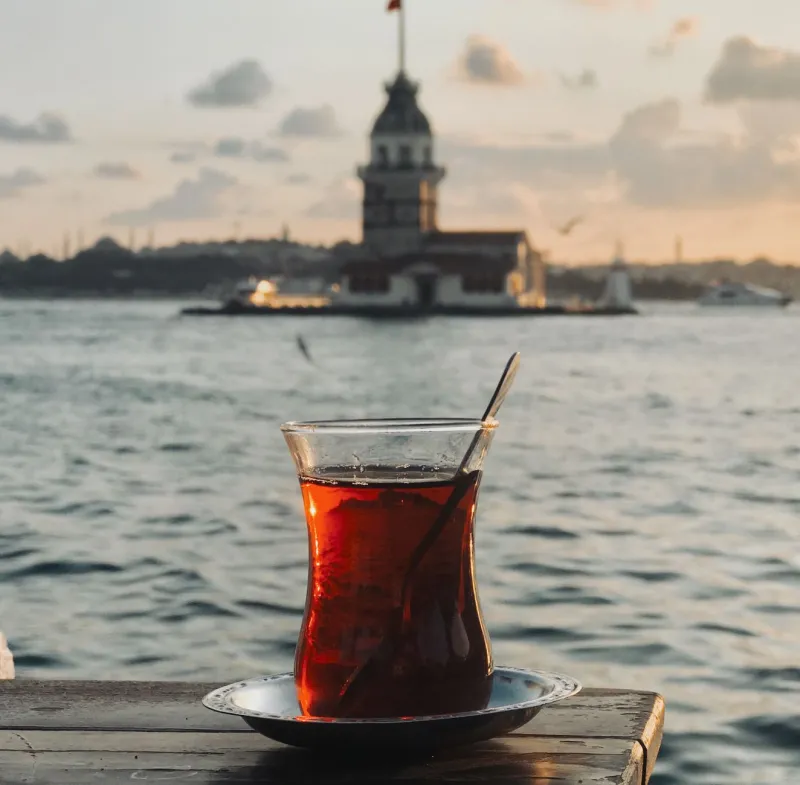
Istanbul has always understood something about the relationship between private space and personal freedom. A city that has hosted diplomats, merchants, and wanderers across centuries developed an instinct for creating environments where people could exist outside their public roles. That sensibility informs what Istanbul Nights is built around: the idea that genuine connection requires a context where you're allowed to just be a person.
Dropping the armor doesn't mean becoming someone else. It means trusting, even briefly, that who you actually are is enough. For men who've spent years proving themselves to everyone around them, that's not a small thing. It might be the most valuable thing they're not getting anywhere else.