She Already Knows: The Quiet Intelligence Behind Truly Exceptional Companionship
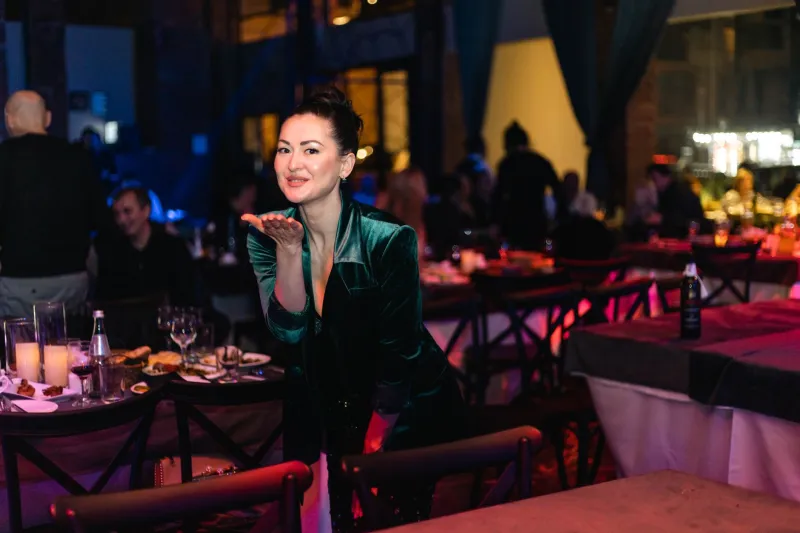
There's a particular kind of comfort that settles over you when someone genuinely gets you — not because you spelled everything out, but because they were paying attention in ways you didn't even notice. It's rare in everyday life. In premium companionship, it's the whole ballgame.
The best companions aren't just socially fluent. They're operating on a different level of awareness entirely — reading the room, reading you, and quietly adjusting the entire experience before you've had a chance to voice a single preference. It looks effortless. It is anything but.
The Myth of the "Perfect Request"
Most people assume the key to a great experience is knowing exactly what they want and communicating it clearly upfront. And sure, clarity helps. But here's the thing: most clients — even the most seasoned ones — don't fully know what they need until they're already in the middle of getting it.
Maybe you think you want lively conversation and end up craving quiet company. Maybe you walk in wound tight from a brutal week in the office and realize halfway through dinner that what you actually needed was someone to just listen for a while. The ability to meet a person where they actually are, rather than where they said they'd be, is one of the most underrated skills in any social dynamic — and it's central to what separates a genuinely premium companion from someone simply going through the motions.
Experienced companions understand this implicitly. They don't wait for you to recalibrate your own request. They do it for you.
Active Listening as a Superpower
We throw the phrase "active listening" around a lot, but most people have a pretty shallow understanding of what it actually involves. It's not just nodding along or maintaining eye contact. Real active listening means tracking the gaps — what someone chooses not to say, how quickly they move past certain topics, where their energy lifts and where it quietly dims.
A skilled companion picks up on all of it. She notices that you mentioned your job twice but changed the subject both times. She clocks that your posture loosened the moment the conversation drifted toward something personal. She registers that you laughed a little too quickly at your own joke — the kind of laugh that signals you're still performing rather than relaxing.
None of this requires a psychology degree. It requires genuine attention and a lot of practice reading people across wildly different contexts. The companions who do this well have essentially developed a finely tuned social radar — one that's constantly scanning, processing, and responding without making the whole thing feel clinical or calculated.
Body Language: The Conversation Beneath the Conversation
Verbal communication is only part of the picture. Humans leak information constantly through posture, micro-expressions, pacing, and physical tension — and most of us are completely unaware of how much we're broadcasting at any given moment.
For a companion who's developed real emotional intelligence, this nonverbal layer is rich with data. Crossed arms that slowly uncross. A jaw that gradually stops clenching. The shift from sitting forward and performing to leaning back and actually being present. These are signals, and they're being read.
The response to those signals is where the real craft comes in. It's not about calling out what she's noticed — that would be awkward and clinical. It's about responding in a way that makes space for the shift that's already happening. Softening the conversational tone when someone's clearly exhausted. Introducing a little levity when the mood starts to feel too heavy. Knowing when to push gently into something meaningful and when to simply let a comfortable silence do its work.
This is the kind of attunement that makes an evening feel less like a scheduled engagement and more like something that unfolded exactly the way it was supposed to.
Bespoke Without Being Asked
Here's where it gets genuinely impressive. The companions who operate at the highest level aren't just reacting to what they observe — they're anticipating. They're building a mental picture of who you are from the moment contact is made, and they're already shaping the experience accordingly before you've shared a meal or said much of anything.
The way you write an initial message. How quickly you respond. Whether you're direct or indirect about what you're looking for. Your word choices. All of it contributes to an emerging portrait, and a perceptive companion is quietly sketching that portrait in real time.
By the time you actually meet, she's already working with a hypothesis about what kind of evening will genuinely land for you — and she's flexible enough to revise it the moment new information comes in. That's not manipulation. That's the highest form of hospitality.
In a culture that increasingly prizes personalization — from Spotify's algorithmically curated playlists to the way Netflix learns your taste over time — it's striking how much we still undervalue this quality in human connection. The ability to make someone feel seen without making them feel studied is genuinely rare, and it's worth recognizing as the skill it is.
Why This Matters More Than Ever
American professionals in 2025 are navigating a weird paradox: more connected than ever on paper, but quietly starved for interactions that feel genuinely attuned. The small talk is abundant. The real attentiveness is scarce.
That's a big part of why premium companionship has grown beyond its traditional associations and into something that resonates with a much broader range of people — executives, creatives, travelers, anyone who spends a lot of time being professionally "on" and privately understimulated.
What they're seeking, whether they articulate it this way or not, is someone who makes the effort to actually notice them. Not their resume, not their social performance — them. The companion who can deliver that isn't following a checklist. She's exercising a kind of intelligence that's equal parts instinct, experience, and genuine care.
At Istanbul Nights, we think that intelligence deserves a lot more credit than it typically gets. It's the invisible architecture behind every experience that feels effortlessly right — and it's anything but accidental.